Open to work

Home  /  Press  /  Afrobeats Cinema

Building the Modern Afrobeats Visual Language

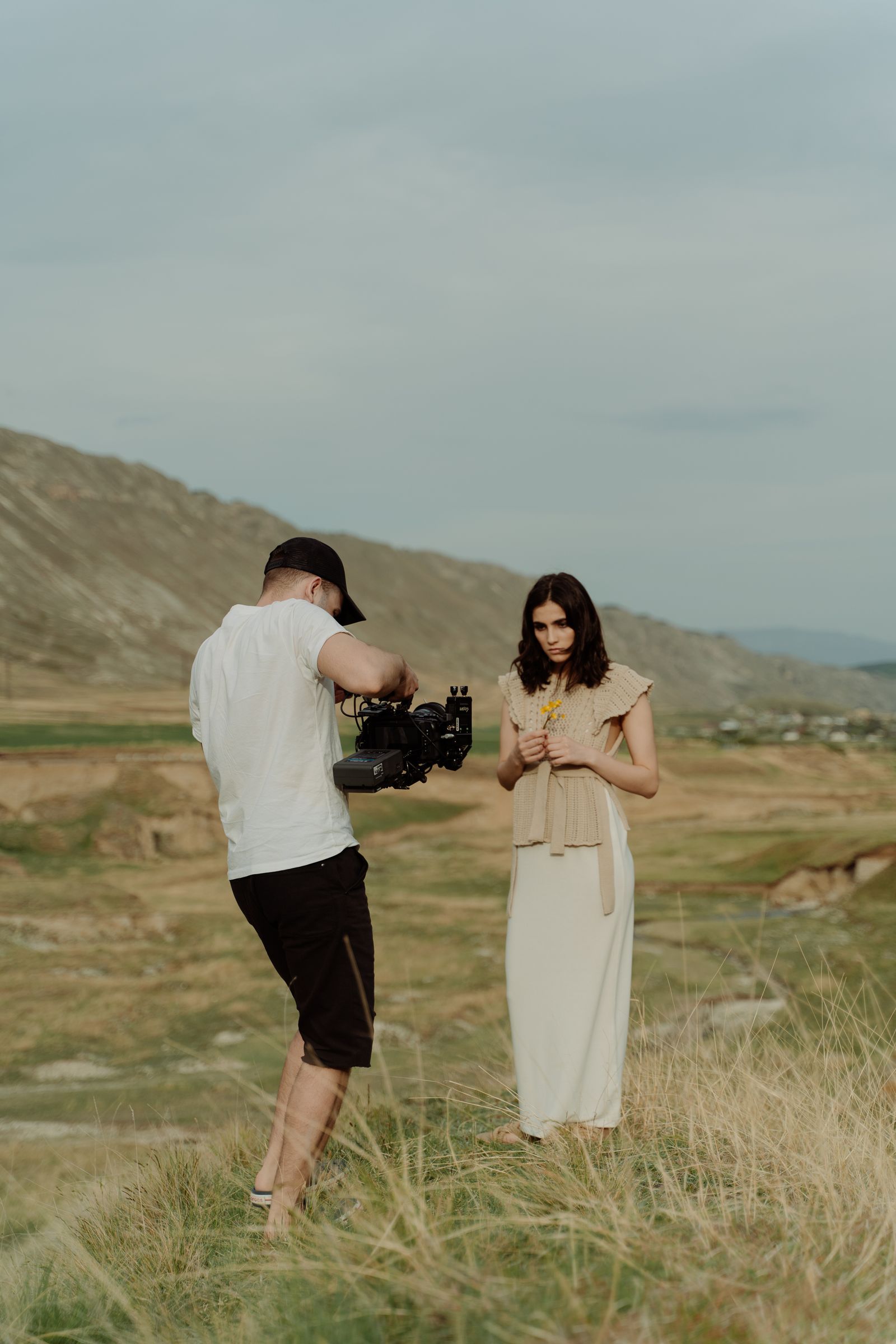
Director and camera operator shooting an actress in a field

Afrobeats sounds like confidence. Its visuals had to learn to look like it — and music video directors wrote the dictionary.

A decade ago, the default Afrobeats visual was documentation: point the camera at the party and press record. The modern language is authorship — every frame argues that African pop culture is the main stage, not the opening act.

Fashion led the shift. Designers who once dressed artists for premieres now co-create video worlds, and the styling credit scrolls as long as the camera list. The video became a runway the whole continent watches.
“Joy, filmed seriously, became an aesthetic choice and a statement.”

Colour followed: saturated, sunlit, unapologetic palettes that reject the desaturated grit once demanded of African stories on screen. Joy, filmed seriously, became a political as well as an aesthetic choice.

Tallis Wren's catalogue sits at the centre of that shift — proof that a three-minute film can carry as much cultural argument as a feature. The language is still being written, one video at a time.